-
Peacemakers Bring Two Families of Ateker Together
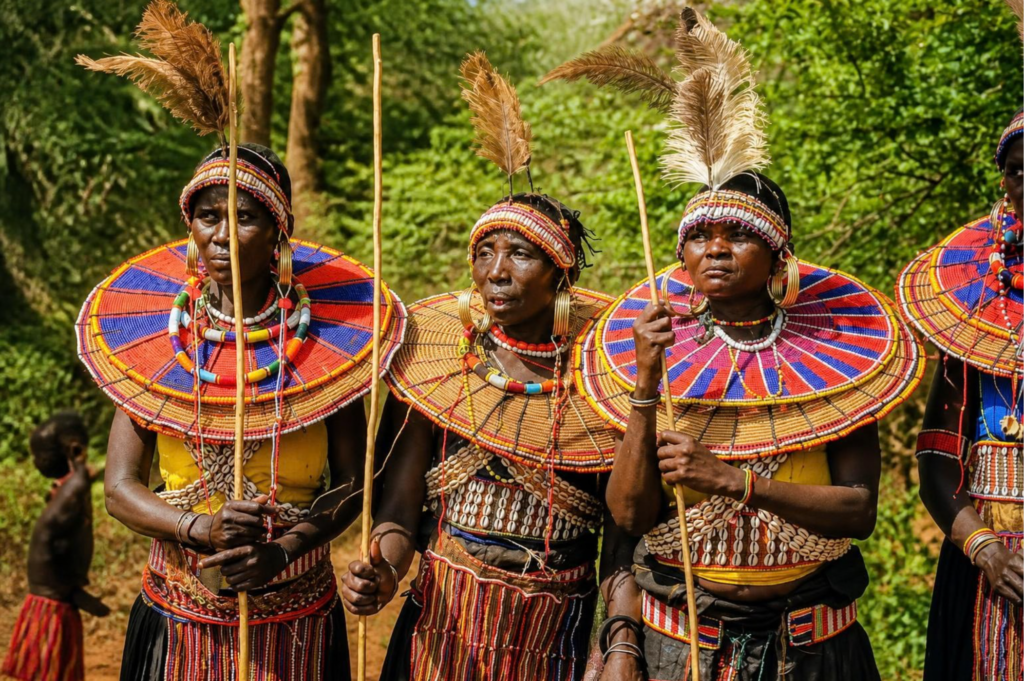
Divided by national boundaries yet driven together to share scarce resources, the Ateker of Nyangatom and that of Turkana have been fighting each other for generations in raids and counter raids in which peoples of the same origin rape,loot and kill each other for survival. The Nyangatom people of the Ateker family populate the southern part of Ethiopia and the Ilemi Triangle that is claimed by the three countries of South Sudan, Ethiopia and Kenya. Altogether their number is hardly 100,000. In Ethiopia the Nyangatom are a minority among other minorities of Ethiopian ethnicities living by the Omo River, in what is known as the Southern Nations, Nationalities and Peoples Region.
With an estimated population of 30,000 people, this family of Ateker would hardly fill the geographical area of a county in the Ugandan setting. Yet this is a vibrant community, treasured by the Government of Ethiopia as one of its rich cultural heritage. Together with other diverse cultural groups in the Omo Valley, the Nyangatom Ateker are a great driver in Ethiopian tourism, an important economic activity which generates income for tour companies and tax for central government.
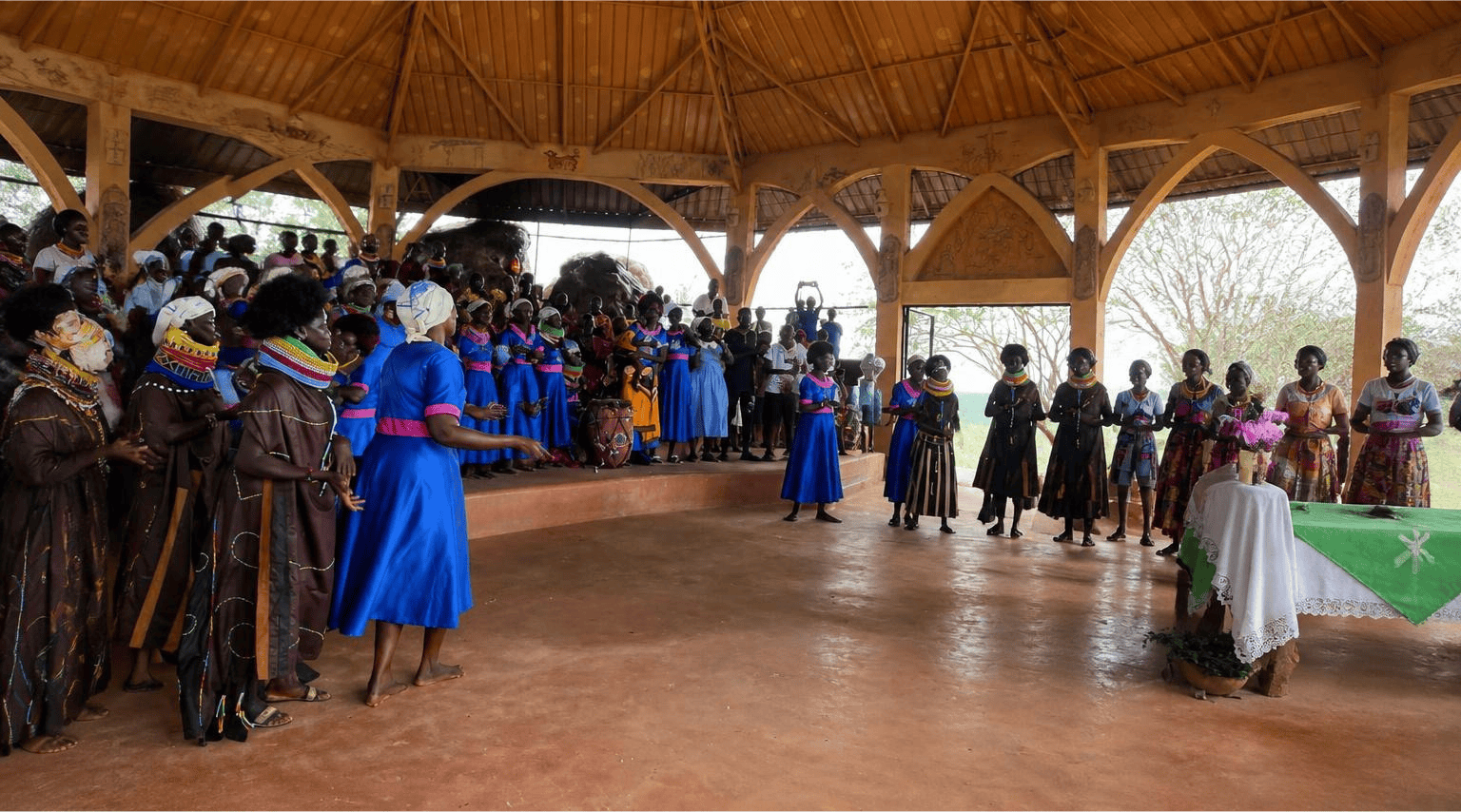
The quarrels and fights of Ateker over resources is a matter of concern across many interest groups. Notable among recent efforts to mediate between the Nygangatom family of Ateker and their cluster brothers and sisters, the Turkana, are those made by the Missionary Community of St Paul based in Nyangatom in Ethiopia. This Catholic Church body invited the Catholic Women and the Catholic Men Associations of the Catholic Queen of Peace Mission based in Todonyang, Turkana for a meeting to share faith and cultural linkages. Held towards the end of 2024, the two Catholic Christian groups met as fellow human beings and members of the same family, and were able to discuss matters of mutual concern such as grazing grounds, water and other scarce resources. No guns, spears or other offensive weapons than mouths and tongues were employed in this encounter. Such was a very important step towards peace and reconciliation between the two conflicting members of this Ateker cluster.
More recent efforts have brought together Turkana Pastoralists Development Organisation, the Danish Church Aid based both in Ethiopia and Kenya and the Ethiopian Catholic Church’s Social and Development Commission, with the singular purpose of promoting peace and reconciliation between the Nyangatom and the Turkana. This peace move is funded by the European Union and targets conflicting parties in the Omo Valley, Lake Turkana and in the Equatoria Province of South Sudan. Dubbed the Transboundary Peace Advocacy Campaign” the Euros 14 million project is aimed at strengthening peace, resilience and at disaster risk reduction among cross-border communities in the Karamoja (Ateker) cluster of African peoples.
According to the Danish Church Aid website, a wel-attended January 2026 meeting brought together Nyangatom and Turkana youth face to face; organising many activities including football matches. The organisers were happy with the result of these formerly hostile groups of young people coming together and sharing space, time and activities for a few days. “Instead of planning raids”, the organisers noted, “ youths discussed how to reach peers still eager to [pursue] violence and bring them into dialogue spaces. Peace, once confined to boardrooms, had moved where it mattered most: the kraals and grazing fields”.
-

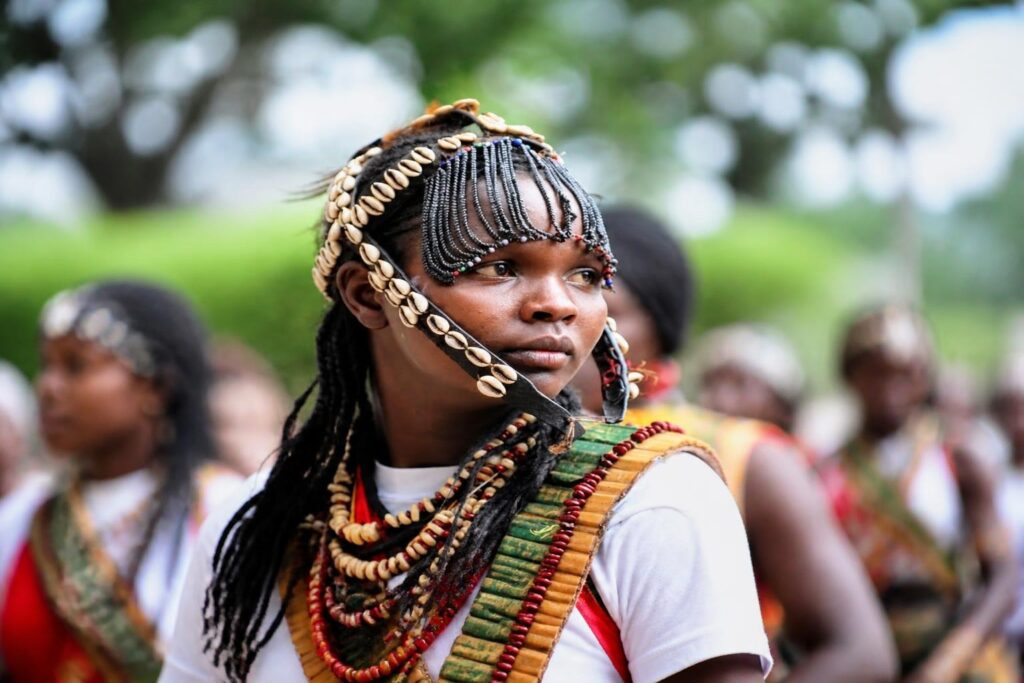
Female Guardians of Kalenjin Culture Kalenjin Headdress The Ateker is one people among a grouping of African peoples found in the Eastern African countries of South Sudan, Ethiopia, Kenya and Uganda. These people are part of a broader classification of the Continent’s linguistic groups which have been classified into two main sets: the Eastern Nilotes, who also are linguistically referred to as the Plains Nilotes; and the Southern Nilotes often also called Highland Nilotes. Among these two linguistic groupings are to be found Iteso, Karimojong, Turkana, Nyangatom, Kalenjin, Masai, Samburu, Marakwet and quite a few more cultural groups.
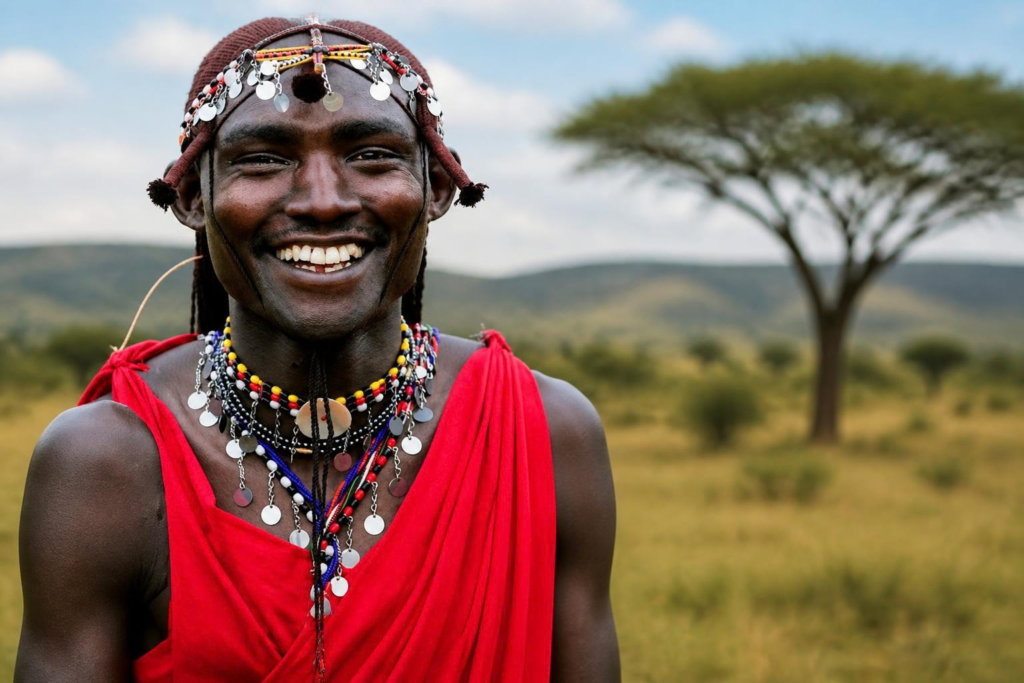
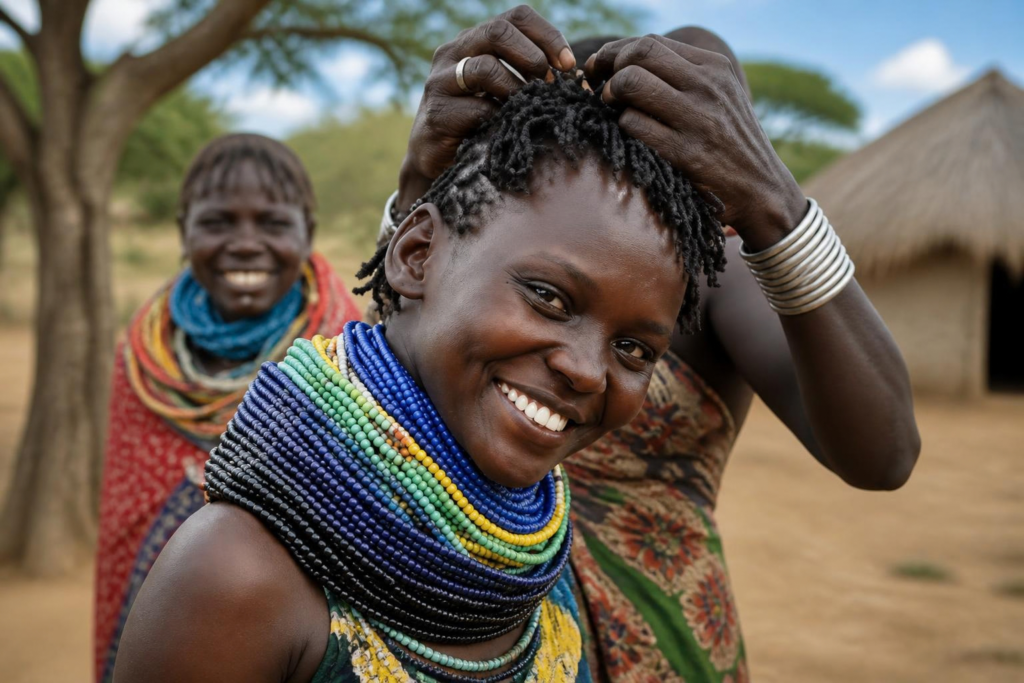
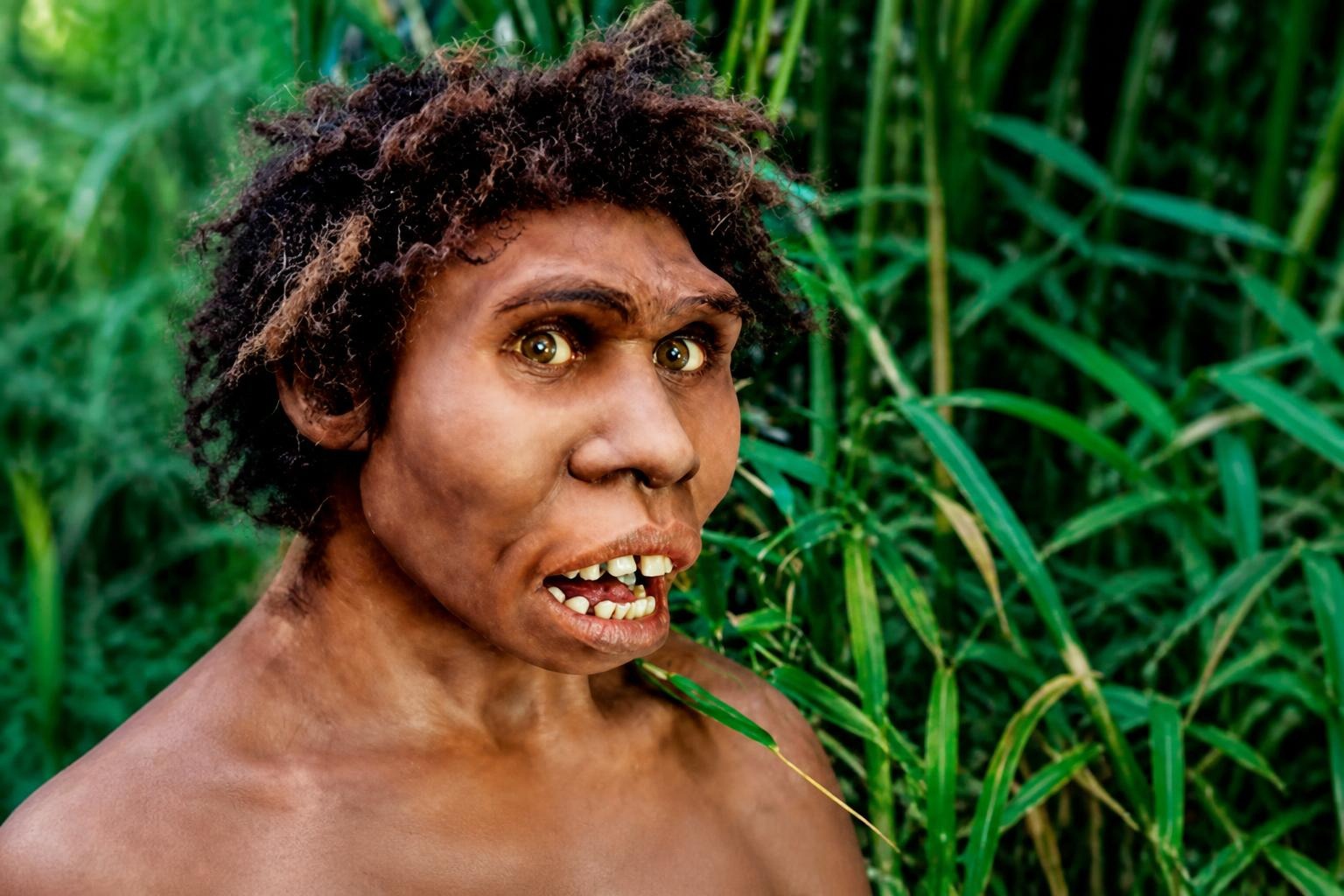
A Maasai Smile Nyangatom Smiles Turkana Boy from 1..5 million years ago These people occupy large swathes of land, stretching from Southern Ethiopia and Southern Sudan to Northern Tanzania. The region around Lake Turkana is home to them, as are some of East Africa’s highlands and plains right across the East African Rift Valley.
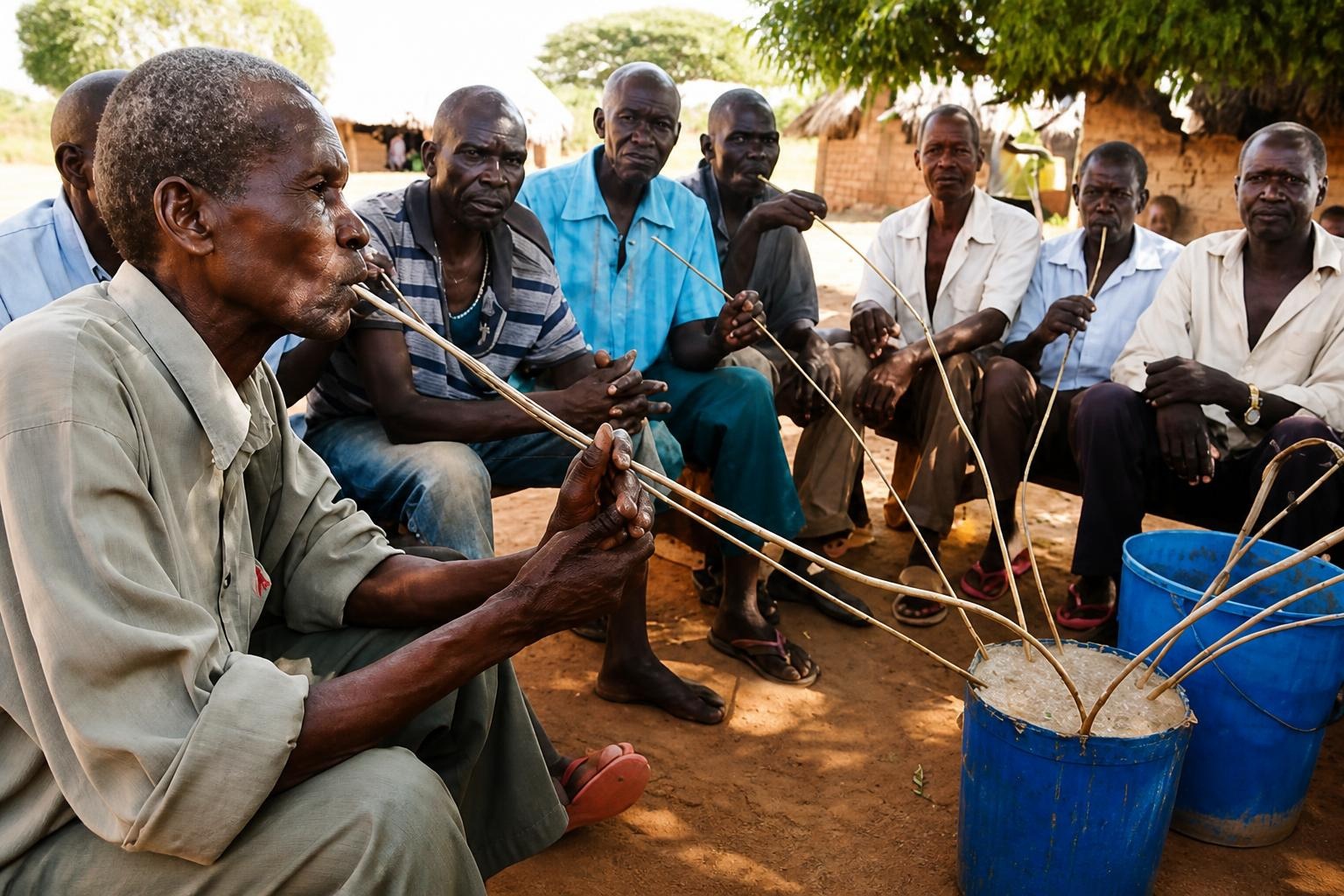
People in these groupings share distinct attributes in their political, economic and cultural outlook and practices. The over-all guiding political principle in their governance system is egalitarianism, while their economies run along a spectrum: from nomadism to sedentary agriculture. While the Plains Nilotes tend to focus more on nomadism, Southern Nilotes will keep animals but are also settled into farming crops. Whether Eastern or Southern Nilotes, these people are proud owners of rich cultures associated with their political and economic systems, enhanced by inter-cultural interactions over many centuries.
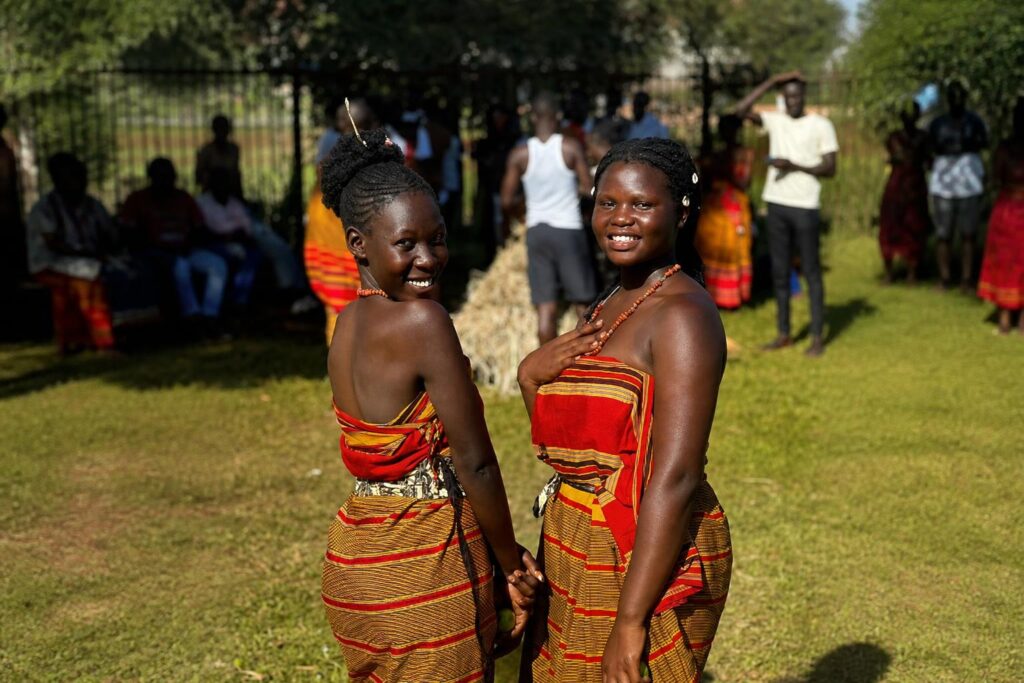
Party enjoys Ajon or Ainyeles Iteso Young Ladies Among the Eastern Nilotes is to be found an Ateker cluster known as Iteso. Iteso are found in South Sudan, in western Kenya and in eastern Uganda, as well as in Ethiopia’s southern nations nationalities and peoples territory. In Uganda their homeland consists of ten districts namely: Soroti City, Soroti District and the districts of Amuria, Bukedea, Kaberamaido, Kalaki, Kapelebyong, Katakwi, Kumi and Ngora. These districts, including the ubiquitous fingers of Lake Kyoga and other water bodies and swamps in the area, occupy 5,031.1 square miles. Geographically therefore the Ateker in Uganda occupies 5.40% of the country’s total geographical area of 93,263 square miles.
Iteso in Uganda are demographically ranked the fourth largest ethnic group in the country, according to the 2024 National Population Census. The recently concluded census recorded 3,146,078 Iteso, showing this Ateker group to comprise 6.85% of Uganda’s demographic make-up.

MANAGERS PHONE NUMBER 0778173335
STUDIO LINES 0757477254 / 0392894282